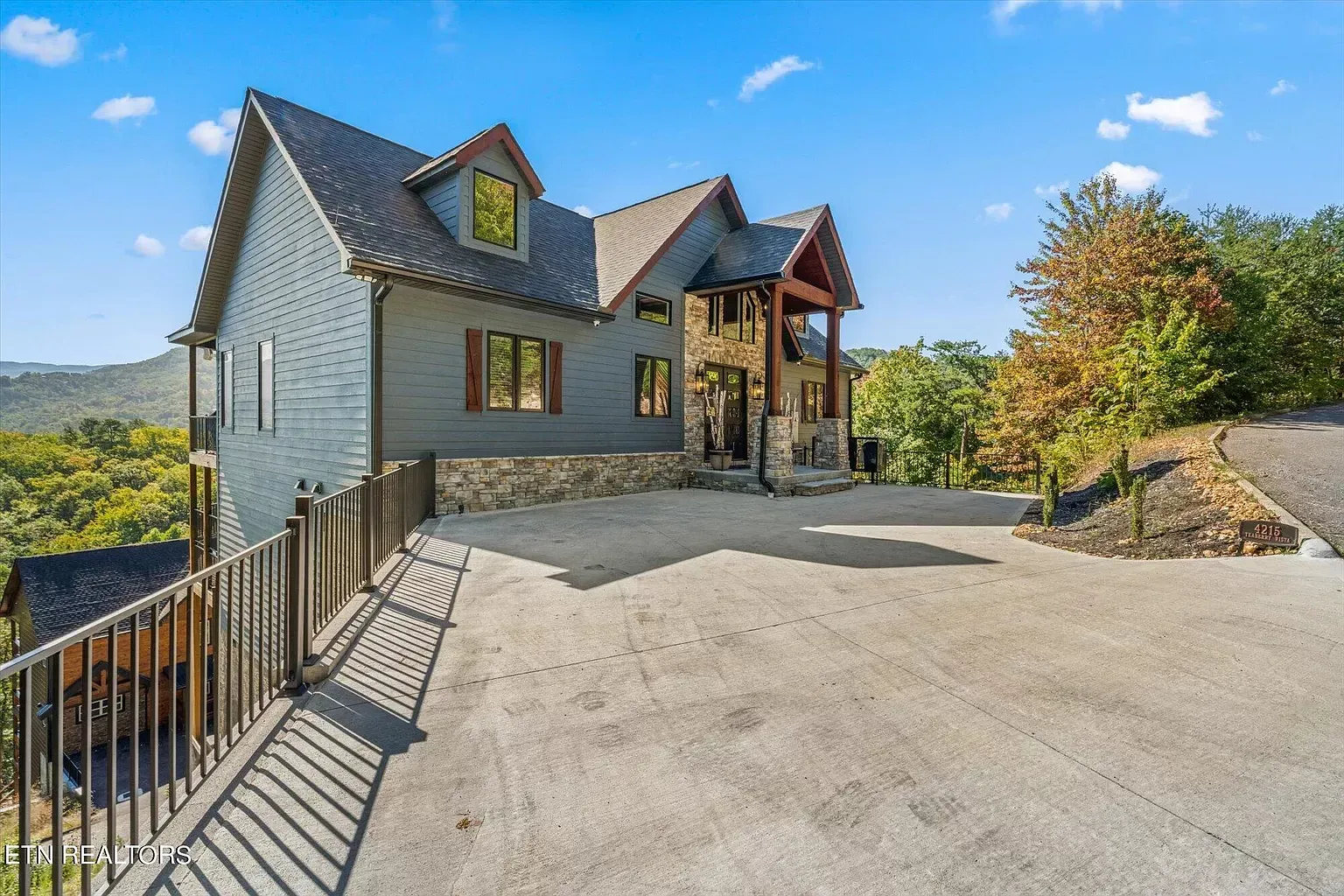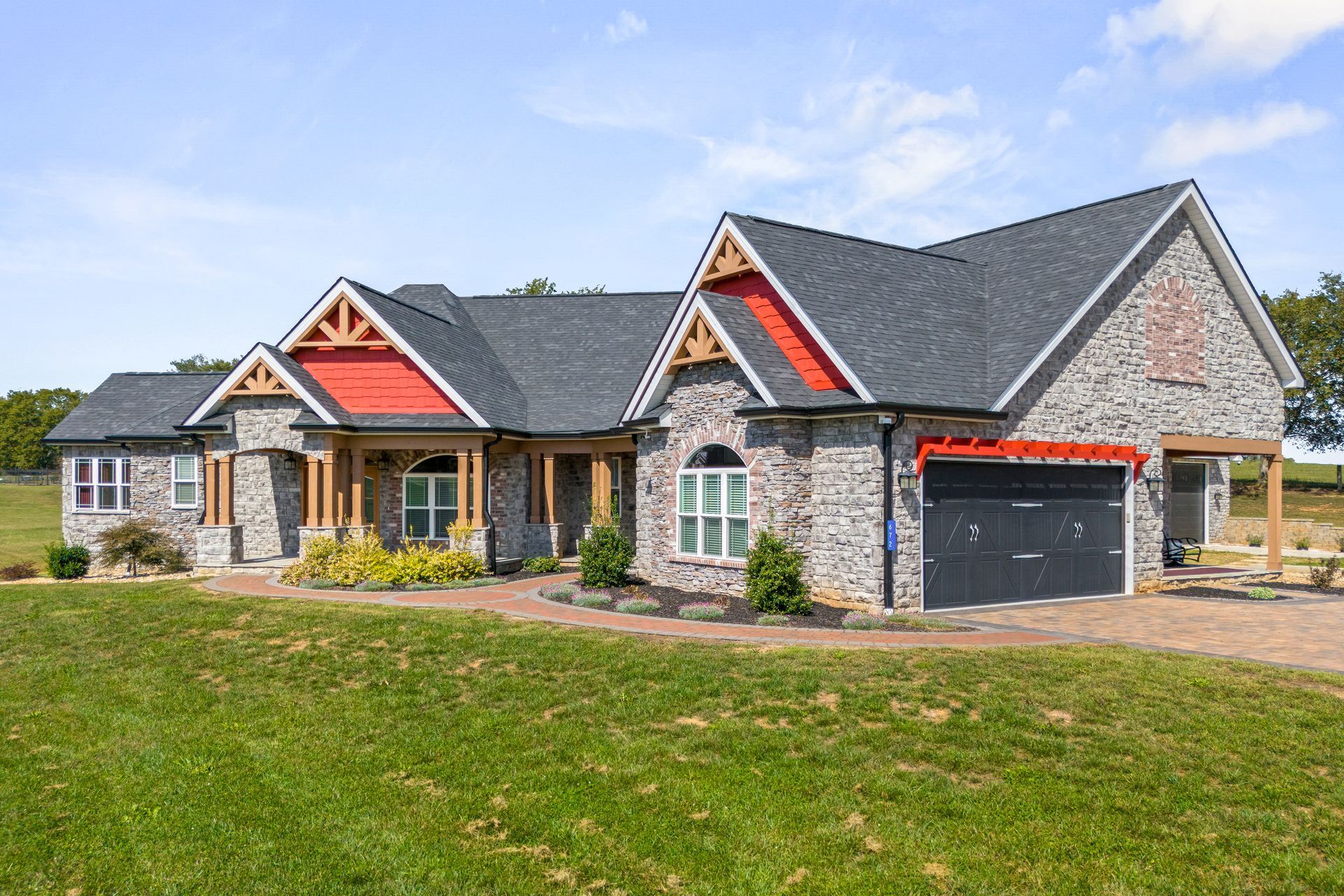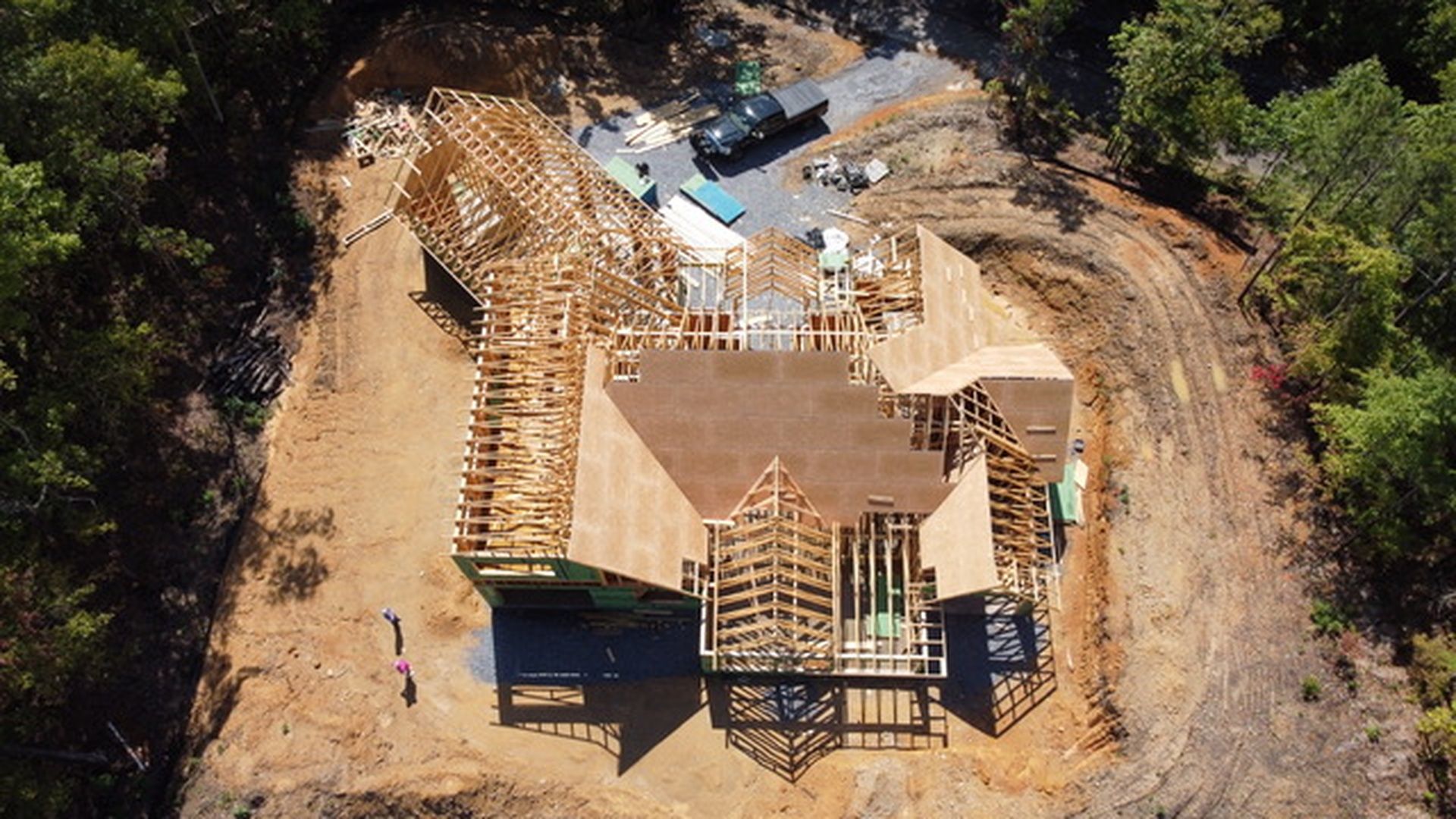
As retirement approaches, the dream of crafting a perfect sanctuary becomes more imminent. In the picturesque settings of Seymour, TN, and the greater Smokies area, retirement homes transcend the ordinary, offering a blend of comfort, style, and personal expression. This article explores contemporary design trends and ideas that marry functionality with elegance, ensuring your retirement home isn't just a living space but a reflection of your life's journey and aspirations. Let's explore the trends shaping stylish and comfortable retirements.
Embracing Open and Adaptive Spaces
The concept of open and adaptive spaces is central to modern retirement living, reflecting a desire for homes that are not only beautiful but also highly functional and flexible. These spaces cater to the diverse and evolving lifestyles of retirees, ensuring comfort, convenience, and a sense of openness.
Open Floor Plans
The trend of open floor plans continues to grow, especially in retirement homes, for its numerous benefits.
Seamless Flow: Open living, dining, and kitchen areas create a seamless flow throughout the home, eliminating barriers and making the space feel larger and more welcoming. This layout encourages movement and interaction, making everyday activities more enjoyable.
Flexibility and Versatility: Without restrictive walls, open floor plans allow you to customize the layout to suit your needs, whether setting up for a quiet afternoon with a book or hosting a large family gathering. Furniture and partitions can be used to define areas without compromising the openness.
Enhanced Mobility: With fewer doors and thresholds, open floor plans are easier to navigate, particularly for those with mobility concerns. This design consideration ensures that your home remains comfortable and accessible as your needs change.
Social Interaction: Open spaces foster a sense of connection. You can cook, dine, and relax in the same shared space, making it easier to interact with family and guests. It turns everyday living into a more social and engaging experience.
Multipurpose Rooms
As retirement brings new hobbies, interests, and occasional guests, having adaptable spaces in your home becomes increasingly important.
Flexible Design: Consider rooms with built-in flexibility, such as fold-out desks, Murphy beds, or movable partitions. These features allow you to quickly transform the function of a room to suit your current activity, whether it's crafting, reading, exercising, or accommodating overnight guests.
Smart Storage Solutions: To keep multipurpose rooms organized and functional, incorporate smart storage solutions. Built-in cabinets, shelves, and closet systems can neatly store a variety of items, from hobby supplies to guest linens, keeping the space adaptable and clutter-free.
Lighting and Acoustics: Proper lighting and acoustics are vital in multipurpose rooms. Adjustable lighting can set the mood for different activities, while sound-absorbing materials can help minimize noise when the room is used for quieter pursuits.
Aesthetic Continuity: Ensure that the design and decor of multipurpose rooms blend harmoniously with the rest of your home. This creates a cohesive look and feel, even as the function of the room changes.
In embracing open and adaptive spaces, you're not just designing a house; you're crafting a living environment that responds to your lifestyle, changes with your needs, and enhances your daily life. These spaces are about creating a home that celebrates freedom, flexibility, and the joy of retirement living.
Prioritizing Comfort and Accessibility
In retirement, your home should be a sanctuary of comfort and ease, designed to accommodate your lifestyle both now and in the future. Prioritizing comfort and accessibility ensures that your home remains a safe, convenient, and enjoyable place to live for years to come.
Main-Level Living
Main-level living is a key design strategy that enhances accessibility and simplifies your daily life.
Ease of Access: By situating the primary bedroom, kitchen, living areas, and at least one full bathroom on the same level, you eliminate the need for daily stair use. This design is especially beneficial for those with mobility issues or those planning to age in place.
Future-Proofing Your Home: Even if you don't require it now, main-level living is a wise choice for the future. It makes your home more adaptable to changing mobility needs and can be a selling point if you ever decide to move.
Enhanced Safety: Fewer stairs mean fewer risks of falls and injuries. Designing your home with main-level living in mind contributes to a safer living environment.
Convenience: Having everything you need on one level makes for a more convenient and efficient daily routine, whether you're doing household chores, entertaining guests, or simply moving from one activity to the next.
Walk-In Showers and Safety Features
Bathrooms are a critical area to consider when it comes to comfort and safety, and modern design trends offer stylish solutions.
Walk-In Showers: Walk-in showers eliminate the need to step over a tub ledge, reducing the risk of slips and falls. They can be customized with various features to suit your style and needs. Options include benches for seated bathing, adjustable handheld showerheads for ease of use, and curbless designs for wheelchair access.
Non-Slip Tiles: Bathroom floors can become slippery when wet. Choosing non-slip tiles or adding a textured surface can provide extra traction and stability, reducing the risk of falls.
Grab Bars: Modern grab bars come in a variety of styles and finishes that can complement your bathroom's design. They provide support and balance when moving around the bathroom, especially in the shower or near the toilet.
Thresholds and Door Widths: Consider minimizing thresholds into the shower and ensuring door widths can accommodate mobility aids. These subtle design choices can make a significant difference in accessibility.
Overall Comfort and Aesthetics
Incorporating comfort and accessibility into your retirement home doesn't mean sacrificing style.
Aesthetics and Function: Modern accessibility features are designed to be sleek and unobtrusive, blending seamlessly with your home's decor. You don't have to compromise on style for the sake of functionality.
Personalization: Customize these features to match your personal style and comfort preferences. Whether it's choosing the tile design for your walk-in shower or the color of your grab bars, these elements should reflect your taste and make your space feel like home.
In retirement, your home should be a place where comfort and accessibility are integrated into every aspect, from the overall layout down to the smallest details. By prioritizing these elements in your home design, you ensure that your space is not only stylish and welcoming but also safe and adaptable to your evolving needs.
Integrating Nature and Serenity
Creating a home that harmonizes with its natural surroundings not only enhances its aesthetic appeal but also promotes a sense of peace and well-being. By integrating nature and serenity into your home’s design, you can enjoy a living space that reflects the beauty and tranquility of the Smokies.
Indoor-Outdoor Living
Blurring the lines between indoors and outdoors allows you to immerse yourself in the natural setting of your home, embracing the changing seasons and landscapes.
Large Windows and Glass Doors: Install expansive windows and sliding or folding glass doors to provide unobstructed views of the outdoors. This not only brings in natural light but also extends your visual living space to the outdoors, making it feel larger and more open.
Sunrooms and Enclosed Patios: A sunroom or an enclosed patio offers a sheltered space to enjoy the beauty of the outdoors regardless of the weather. Furnish these spaces with comfortable seating, plants, and decor that complement the outdoor views, creating a seamless transition between inside and outside.
Open Patios and Decks: Design open patios, decks, or terraces as an extension of your living space. Use materials and design elements that match the style of your home for a cohesive look. Consider adding features like retractable awnings, pergolas, or outdoor fireplaces to enhance comfort and usability throughout the year.
Natural Materials and Colors
Incorporating natural materials and colors into your home’s design fosters a connection to the environment and brings a sense of calm and grounding.
Wood: Utilize wood in flooring, beams, furniture, or accents. Different types of wood can evoke various atmospheres — for instance, reclaimed wood adds rustic charm, while sleek, light-toned woods create a modern, serene vibe.
Stone: Stone features like fireplaces, accent walls, or countertops add texture and natural beauty to your home. Choose stones that reflect the local geology or your personal style, from smooth river rocks to rugged slate.
Earthy Colors: Select a palette inspired by the natural surroundings. Soft greens, browns, blues, and grays can mimic the colors of the forest, mountains, and sky, bringing the tranquility of nature into your home.
Natural Fibers: Incorporate textiles made from natural fibers like cotton, linen, wool, or jute. Rugs, curtains, and upholstery in these materials add warmth and comfort while reinforcing the natural theme.
Harmonizing with the Environment
Your home should not only look natural but also exist in harmony with its surroundings.
Landscaping: Choose native plants for your garden to create a seamless transition between your home and the surrounding nature. Native plants are well-adapted to the local environment, require less maintenance, and provide habitat for local wildlife.
Sustainability: Consider environmentally friendly practices in your home design. This might include using sustainable or recycled materials, installing energy-efficient systems, and designing the home to take advantage of natural heating and cooling.
By integrating nature and serenity into your retirement home, you create a space that is not just a place to live, but a sanctuary that nurtures your well-being, reflects your journey, and resonates with the beauty of the Smokies.
Smart and Sustainable Choices
In today's world, integrating smart technology and sustainable practices into home design isn't just a trend; it's a responsible choice that enhances comfort, convenience, and the overall quality of life. For those entering retirement, making smart and sustainable choices means investing in a future that is both environmentally conscious and economically wise.
Energy Efficiency
Creating an energy-efficient home is beneficial for the environment, reduces utility costs, and often increases the comfort and longevity of your living space.
Smart Thermostats: These devices learn your heating and cooling preferences and adjust the temperature accordingly, reducing energy usage when you're asleep or away. You can also control them remotely, ensuring you always come back to a comfortable home.
LED Lighting: LED bulbs are more energy-efficient and longer-lasting than traditional bulbs. They come in various colors and brightness levels, allowing you to customize the lighting in your home while saving on your electricity bill.
Energy-Efficient Appliances: Modern appliances are designed to use less electricity and water. Look for products with the ENERGY STAR label, indicating they meet energy efficiency guidelines set by the U.S. Environmental Protection Agency.
Insulation and Windows: Proper insulation and high-quality windows keep your home comfortable and reduce the need for heating and cooling. Investing in these can have a significant impact on your energy consumption and comfort.
Sustainable Materials
Choosing materials that are sustainable is not just about being environmentally friendly; it's about creating a home that is healthy, durable, and has a timeless appeal.
Bamboo Flooring: Bamboo is a fast-growing, renewable resource that makes for beautiful, durable flooring. It offers the warmth and elegance of traditional hardwoods but is more eco-friendly.
Recycled Glass Countertops: These countertops are made from post-consumer glass, turning waste into a beautiful and durable surface. They come in a variety of colors and patterns, adding a unique touch to your kitchen or bathroom.
Reclaimed Wood: Using reclaimed wood for flooring, beams, or furniture not only gives a second life to this material but also adds a story and character to your home. Each piece is unique and often bears marks and patina from its previous life.
Low-VOC Paints and Finishes: Volatile Organic Compounds (VOCs) are chemicals found in many paints and finishes that can release harmful gases into your home. Low-VOC options provide a healthier living environment and are better for the planet.
Integrating Smart Home Technology
Beyond energy efficiency, smart home technology can add convenience and security to your home.
Automated Systems: Consider installing systems that control lighting, heating, cooling, and security. These can be programmed to suit your lifestyle and can often be controlled remotely via smartphone or computer.
Water Conservation: Smart irrigation systems for your garden ensure that plants get the water they need without waste. Inside, low-flow faucets, toilets, and showerheads can significantly reduce water usage.
Incorporating smart technology and sustainable practices into your retirement home offers a multitude of benefits, from reduced utility costs and environmental impact to increased comfort and convenience. It's about making informed choices that ensure your home is a place where quality of life and care for the planet go hand in hand.
Personalized Touches
A home should be a reflection of its owner's life, tastes, and experiences. As you transition into retirement, your home becomes more than just a living space; it's a personal gallery, a storybook of your journey, and a canvas for your future. Personalizing your space with unique touches and thoughtful details can transform it into a true representation of your individuality and style.
Custom Storage Solutions
Efficient and personalized storage solutions can turn clutter into an elegant and functional display, making your home feel more spacious and organized.
Tailored Shelving: Whether it's for an extensive collection of books, travel souvenirs, or family photos, custom shelving can be designed to fit any space and style, making your cherished items part of your decor.
Specialized Cabinets and Closets: Custom cabinetry can be designed to suit any hobby or need, whether it's a kitchen cabinet with pull-out shelves for easy access, a craft closet with organized compartments, or a display case for collectibles. These solutions ensure that everything has a place, reducing clutter and adding to the aesthetic of your home.
Hidden Storage: Consider furniture with built-in storage or hidden compartments. This can include ottomans, benches, or beds with under-storage, helping to keep your living spaces clear and tranquil.
Unique Design Elements
Adding personal touches through unique design elements can infuse your home with character and warmth, making it truly yours.
Distinctive Light Fixtures: Lighting is not just functional; it's an art form. A statement chandelier, a vintage lamp, or modern sculptural lighting can serve as a focal point in a room and reflect your personal style.
Vibrant Accent Walls: An accent wall painted in a bold color or adorned with wallpaper can dramatically change the look and feel of a room. It's an opportunity to be bold and expressive, adding a touch of personality to your living spaces.
Art and Photography: Displaying art, whether it's professional pieces, your own creations, or photographs from your life and travels, adds a deeply personal touch to your home. Arrange pieces in galleries or as standalone focal points to stir memories and conversations.
Textiles and Upholstery: Custom textiles and upholstery can add color, pattern, and texture to your home. From custom drapes to a reupholstered vintage chair, these details can tie a room together and make it feel finished and personal.
Integrating Technology
Incorporating modern technology can also reflect personal style and enhance convenience.
Audio-Visual Systems: Custom-built entertainment centers or hidden speakers can blend seamlessly into your decor while providing high-quality sound and display for your favorite music and shows.
Smart Home Devices: Smart lights, thermostats, and security systems offer both convenience and a modern touch. They can be chosen to complement the style of your home and can even be controlled through artfully designed interfaces.
Your retirement home should be a testament to your life and style, a place where every corner has a story, and every choice reflects a chapter of your journey. Personalized touches not only make your home more functional and comfortable for your lifestyle but also transform it into a living narrative of your unique history and personality.
In the serene backdrop of the Smokies, your retirement home can be a testament to stylish, comfortable living. With these design trends and ideas, you can create a space that not only meets your practical needs but also reflects your personal journey and aspirations. As you plan your retirement sanctuary, remember that it's not just about the building; it's about crafting a setting for life's next great chapter.
Are you ready to transform your vision of the perfect retirement sanctuary into reality? At H Grey Custom Homes, we specialize in crafting homes that are as unique and vibrant as the individuals who live in them. Embrace the opportunity to infuse your retirement home with the comfort, style, and personal touches that reflect your journey and aspirations.
Contact us today to begin the exciting journey of designing
your dream retirement home in the picturesque Smokies. Let's collaborate to create a space that resonates with your personal style, incorporates the latest in smart and sustainable living, and stands as a testament to the life you've lived and the adventures yet to come. Your dream home awaits, and we're here to bring it to life, one personalized detail at a time.